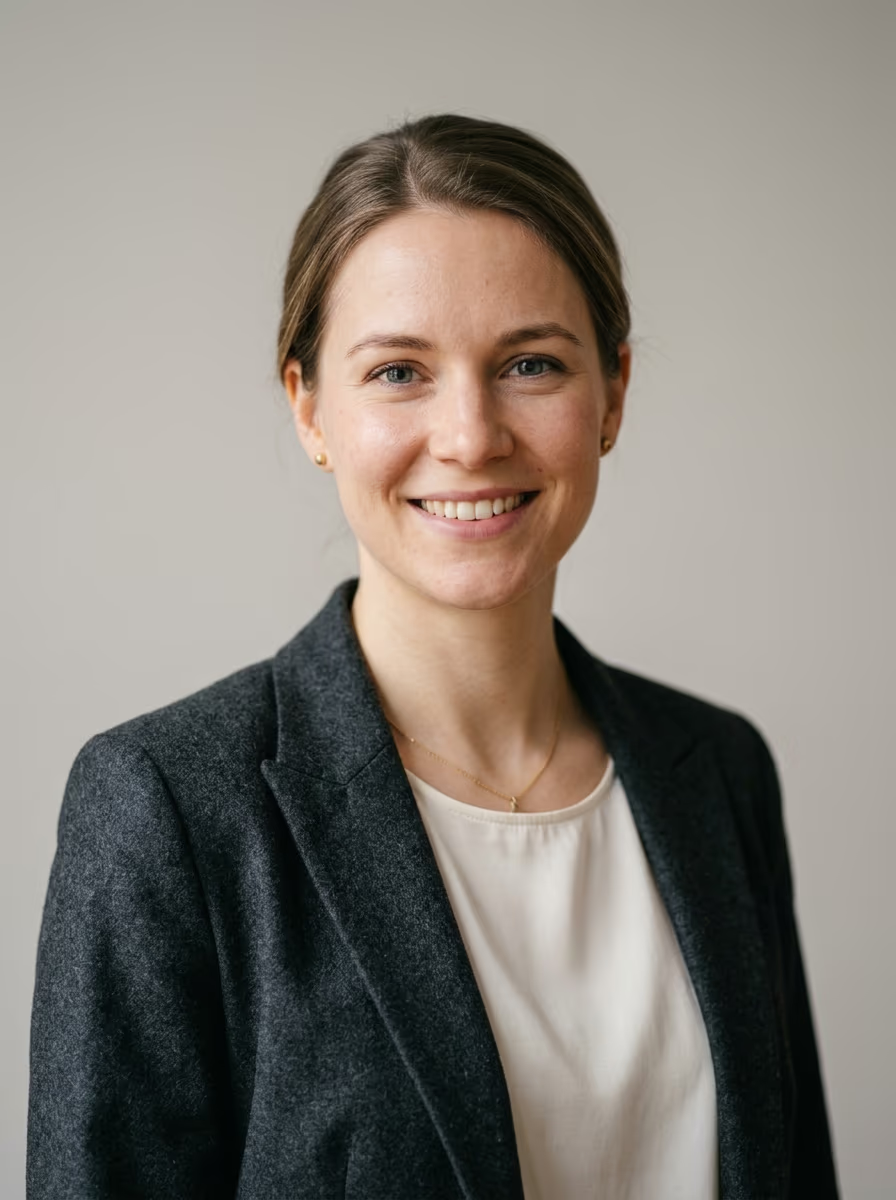
The photo is optional, and the file limits are not
Medical students applying through ERAS can attach a photo to the application. Advisors and program pages describe it as optional. One internal medicine program lists it as "optional, but preferred to track applicants after interviews", which tells you what it is for: remembering which face belongs to which file. Talk to your dean's office or advisor before you decide.
If you include a photo, the AAMC's photo page for ERAS applicants sets the file type and size: JPG, JPEG or PNG, at most 150 KB, with your face centered. The AAMC's separate documents page for residency applicants lists a second set of numbers, a maximum of 2.5 × 3.5 inches at 150 dpi. We could not load either page directly, so we read their wording in search results and a university advising manual. You upload the file in MyERAS and then assign it to each program, and the same manual notes that a photo applied to a program cannot be unassigned. International medical graduates upload through ECFMG and check the assignment in MyERAS.
Applicants have noticed the gap between the two pages. In an r/medicalschool thread, one student pointed out that the upload window lists only the file type and 150 KB while the documents page also lists 2.5 × 3.5 inches. ERAS support reportedly gave two different answers, and one reply quoted a support email saying the only requirements are the file type and the 150 KB maximum. Another said a file cut to exactly 2.5 × 3.5 inches looked stretched in the round profile picture. The safe reading is to keep the file under 150 KB and use the 5:7 shape below, which satisfies every version, and to check the live MyERAS screen before you assign it.
From a camera file to an ERAS file, step by step
The older size limit describes a small portrait. At 150 pixels per inch, 2.5 × 3.5 inches is 375 × 525 pixels, a 5:7 rectangle. A photo straight from a phone is many times larger, so the first job is a crop and a resize. Resizing is where applicants lose time: replies in an r/Residency thread describe 45 minutes in photo tools, and one found a free online resizer set to inches and a 150 KB target. The table follows one realistic example, a square portrait of 1,024 × 1,024 pixels.
| Step | What to do | Result |
|---|
| 1. Crop to 5:7 | Keep the full height, trim the sides, center the face | About 731 × 1,024 px |
| 2. Resize | Scale down to the older documents-page size | 375 × 525 px |
| 3. Export | Save as JPEG, lower the quality until the size drops under the limit | Usually well under 150 KB |
| 4. Rename | Short name, no spaces or symbols | for example lastname-photo.jpg |
| 5. Check | Open the exported file and look at it at full size | Face sharp, nothing cut off |
Phones sometimes save HEIC files, which the upload does not accept, so export to JPEG first. Do the crop before the resize, never after, because stretching an image to fit the box distorts the face.
White coat, suit or scrubs
No AAMC document in our sources says what to wear. The official limits cover file type, size and resolution only. What exists is advice. One school's residency manual recommends professional dress, with a jacket and tie where appropriate, and says scrubs are not appropriate. A plain white background is what that school uses for the photos it takes for its own students.
The white coat is the part students debate, and the forums split. Older Student Doctor Network and r/medicalschool threads tell applicants not to wear it, and so do vendors who sell headshots. In a 2024 thread, an applicant feared a white-coat photo was a red flag. Replies, including from people who said they had interviewed applicants, were nearly unanimous: it is not a thing, and the photo mostly helps them remember who was who at the end of the day. None of this is a rule, so treat it as a default you can overrule. If a program you care about states a preference, follow that instead, and choose clothing you could also wear to the interview.
Who takes the photo, and what it costs
Some medical schools photograph their students at no charge. The Maryland manual describes spring appointments through the school's public affairs office, free of charge, with no reshoots. Ask your school before you pay anyone. If it offers nothing, you have three paths: a local photographer, a friend with a decent phone and a window, or an AI portrait. A vendor roundup of rate cards puts a studio or corporate session at roughly $150 to $600, drawn from a handful of cards. Students on r/medicalschool report cheaper routes: a discount-voucher session at a department-store studio for about $25 to $30, or a school badge photo. A reply in another thread said no residency is going to mark you down because the photo is not perfect.
At 375 × 525 pixels, people read whether the face is lit evenly, in focus and centered. Face a window, stand in front of a plain wall, and have a friend shoot at eye level.
Can you use an AI headshot for ERAS?
We found no AAMC rule that bans one. The question to ask is different: does the image still look like you on interview day? Because the photo exists so people can recognize you, a portrait that changes your face works against you.
Profilfoto KI builds a realistic portrait from your own selfies, in the style you choose, in about three to five minutes. The first photo is free and carries a watermark, which is exactly for this check. Lay it beside an unedited photo of yourself. If anyone who knows you would hesitate, do not use it. The service does not make passport or official identity photos and promises nothing about how a program reads your application. Packages are one-time payments of €4.99 for two photos, €29 for twelve and €79 for forty, with no subscription. Your selfies are stored in Frankfurt and deleted after 90 days at the latest.
Questions people ask
Is 2.5 × 3.5 inches a hard requirement for the ERAS photo?
The AAMC's documents page lists it, but the upload window shows only the file type and 150 KB, and applicants report that ERAS support has answered both ways. Keep the file under 150 KB and use a 5:7 shape such as 375 × 525 pixels.
Why does my ERAS photo look stretched or blurry after I resize it?
Forcing a square image into a 5:7 box stretches the face, and scaling a small photo up makes it soft. Crop to 5:7 first, then scale down from the largest original you have.
Is a white coat a red flag in an ERAS photo?
No rule says so. Older threads advise against it, but in a 2024 thread people who had interviewed applicants said nobody cares. Wear something you would put on for the interview.
Is the ERAS photo required?
No. Advisors and program pages call it optional, and some programs say it helps them track applicants after interviews. Decide with your advisor and check the current MyERAS guide.
Do I need to pay $100 or more for an ERAS photo?
Many applicants did not. Threads mention a school badge photo, a discount-voucher studio session for about $25 to $30, and a phone photo against a plain wall.
Can I change my photo after I assign it?
The Maryland advising manual says a photo applied to a program cannot be unassigned. Choose carefully before you assign it, and check the MyERAS guide for what a new upload does.
Related pages
Create your first photo free