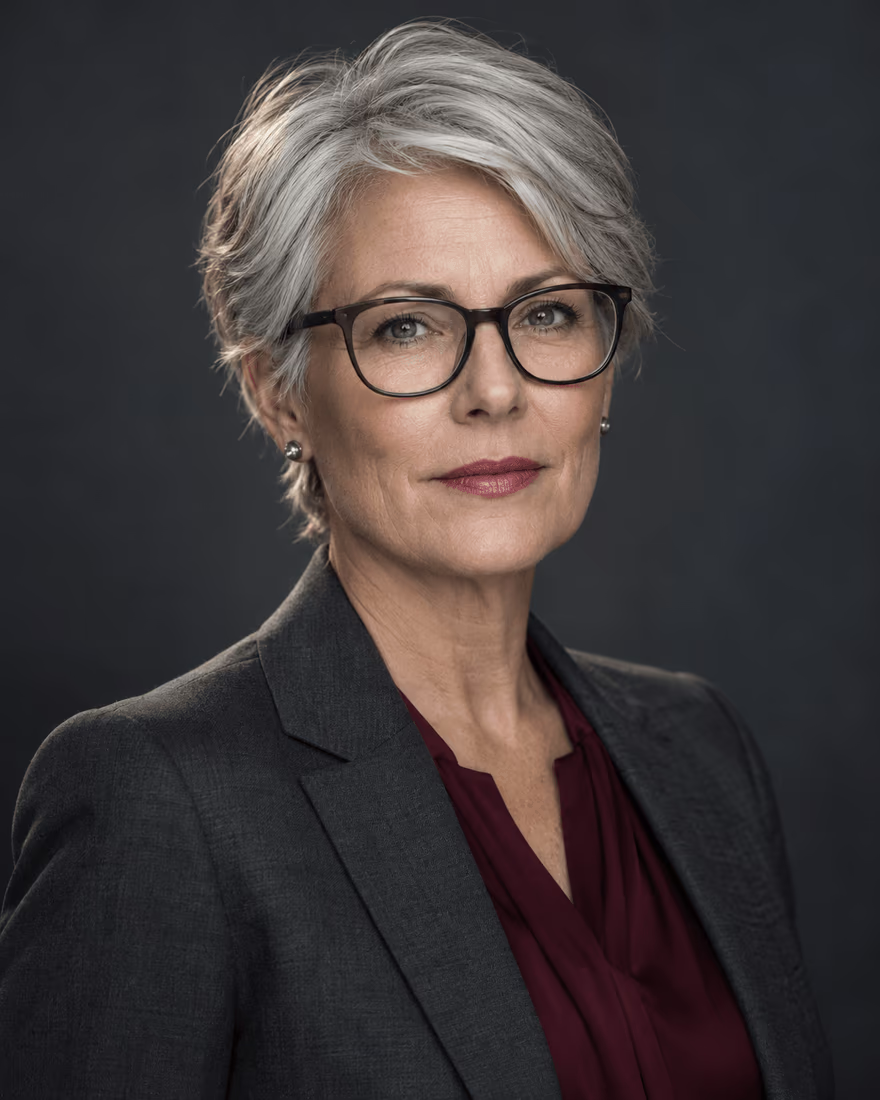
What the photo is for, and whether you need one
Publishers Weekly tells self-published authors that every one of them should put a photo on the book jacket and in marketing materials, ideally taken by a professional, because many readers find books online and a photo puts a human face on the book. Writer's Digest quotes the author coach Christina Katz on the same point from the publicity side: a professional photo signals that you are ready for attention and makes you easier to choose for interviews and events.
None of these sources offers sales data, and one author-services site argues only that a poor photo can cost you bookings. It is more reliable to think of the photo as a practical tool. Interviewers and event organizers need an image they can drop into a page without asking you for anything else.
Authors on r/selfpublish are less sure it matters. Asked how important an author photo is, many replies said it is the least important part of publishing, that some books have none, and one author said they never look at author pictures when buying a book. Others pointed to branding: a light young adult writer should not look grim. One author who writes anonymously uses a cartoon avatar, and a separate thread asks what to show when you write under a pen name. An r/writing thread told a querying writer that a headshot comes after representation. The honest position is that a photo is optional until you need press or events, and a poor place to spend money before then.
The six places your author photo travels
The destinations differ in size and tone, and each has its own rules. The table lists what we could confirm from published sources, and flags what you have to check yourself.
| Where | What it needs | Watch for |
|---|
| Book jacket or back flap | 300 pixels per inch at the printed size, a standard print target | Ask the publisher or printer for the exact printed size and file type |
| Retail author page | For Amazon, a Reedsy guide citing Amazon gives at least 300 pixels wide and tall, in JPG, GIF or PNG | That figure is second-hand and changes. Read the live upload screen before you resize |
| Book databases and library services | One example: at least 500 × 500 pixels, JPEG only, showing face and shoulders, one author, recent | Square works best, and the service may crop it |
| Author website and press kit | A large file plus a smaller web copy | Licensing: the photographer's contract should allow commercial use |
| Speaker one-sheet, event listing | High resolution, often printed | Match the tone of the talk, not only the book |
| Social media, podcast guest form | A small square avatar plus one larger image | Use the same face across all of them |
The retail row is deliberately cautious. Amazon's own help pages did not load for us, and blog figures for other platforms conflict. Check the upload screen, not a blog post.
Print is the stricter test
A small web minimum says nothing about the printed book. In an r/selfpublish thread, an author reported that the bio photo printed fuzzy in the proof copy of a KDP paperback. Replies said print-on-demand will not give top quality, and advised submitting a sharpened, high-resolution file in the cover PDF. Apply the 300 pixels per inch rule: a photo printed 2 inches wide on a back cover needs about 600 pixels across.
Genre sets the tone
Nonfiction and business
An author-services guide recommends a studio shot or a neutral outdoor setting, ideally with a backdrop tied to the subject.
Cookbooks and fiction
Cookbook authors are photographed in a kitchen, and fiction allows many looks. Christina Katz suggests that a thriller writer might aim for a mysterious mood, and she wants the photo to match the person readers expect to meet.
A worked example
Jane Friedman, also quoted by Writer's Digest, avoided a stiff executive studio portrait. She wanted her Midwestern roots to show, so she shot against an Indiana landscape, and she kept a more serious set for other uses. The lesson is to pick a primary look that suits the book and a safe backup for formal requests.
How old is too old, and who owns the file
The most repeated advice is about age. An author-services page says to replace any photo that is more than about five years old or no longer looks like you, and to refresh the set roughly every two years. Readers meet you at signings, on panels and in video calls, and a gap between the photo and the person is noticed immediately.
Ownership is the other trap. Publishers Weekly notes that fees run from about $100 to over $1,000 depending on the photographer, and that you should check whether the price covers the rights as well as the session. Get digital files, confirm commercial use in writing and read the contract. The same article warns that a photo you publish may be reused by others without asking, so only post images you would accept seeing anywhere.
If you shoot your own, Publishers Weekly lists the common failures:
- A cluttered background
- Soft focus
- An uninteresting frame
Stand by a window in front of a plain wall, and take many frames with the phone at eye level. One r/selfpublish author reused a free headshot from a conference booth and made sure the photographer transferred the copyright first.
Making an author portrait with Profilfoto KI
Profilfoto KI creates a realistic portrait from your own selfies, in the style you choose, in about three to five minutes and without a studio appointment. The service does not state a print resolution, so check the pixel dimensions of the file you download against the table above before you send it to a printer. A file under about 600 pixels across is too small for a 2 inch bio on a book jacket at 300 pixels per inch. The first photo is free and carries a watermark, so you can see whether the result looks like you before you pay anything. Packages are one-time payments of €4.99 for two photos, €29 for twelve and €79 for forty, with no subscription. Your selfies are stored in Frankfurt and deleted after 90 days at the latest.
Questions people ask
Do I need an author photo at all?
No. Many self-published authors on r/selfpublish have none and say readers rarely notice. You need one once you start press or events. Publishers Weekly recommends a professional photo for self-published authors who market their books.
What can I use if I do not want to show my face?
Authors in forum threads use an illustration or a cartoon avatar. Keep it consistent across retailer pages and your site, and check what each platform allows before you upload.
Why did my author photo print fuzzy on my paperback?
Print needs about 300 pixels per inch at the printed size, so a web-sized photo shows soft. Replies in a KDP thread also advise sharpening the file.
What size should my Amazon author photo be?
A Reedsy guide citing Amazon gives at least 300 pixels wide and tall, in JPG, GIF or PNG. That is a minimum for the page, not a print size, so confirm it on the live upload screen.
How old can my author photo be?
An author-services guide suggests replacing it after about five years, or sooner if you no longer look like it, and refreshing it every two years or so.
Who owns the photos the photographer takes?
Copyright normally stays with the photographer unless the contract transfers it. Ask for digital files and written permission for commercial use before you book, as one forum author did with a free conference headshot.
Related pages
Create your first photo free